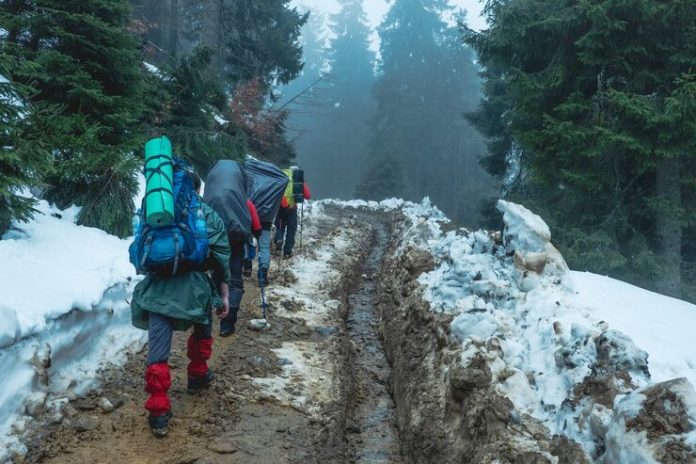
Manaslu hiking is one of Nepal’s most rewarding trekking experiences, offering a rare combination of high Himalayan scenery, cultural depth, and genuine remoteness. Centered around Mount Manaslu, the Manaslu region remains less commercialized than other trekking destinations in Nepal, making it ideal for travelers seeking authenticity. Within this vast alpine landscape lies the Hidden Valley, a secluded area that exemplifies the raw beauty and spiritual atmosphere of the Manaslu Himalaya.
Often referred to as an alternative to the Annapurna or Everest regions, the Manaslu Circuit Trek passes through remote villages, dramatic river gorges, glacial valleys, and ancient Buddhist settlements. The Hidden Valley, tucked away beyond commonly visited routes, represents the essence of Manaslu hiking—quiet, untouched, and profoundly scenic.
The Manaslu Region: An Overview
The Manaslu region is located in north-central Nepal, close to the Tibetan border, and is protected as part of the Manaslu Conservation Area. This conservation zone is rich in biodiversity, home to snow leopards, Himalayan tahr, blue sheep, and a wide variety of alpine flora.
Manaslu hiking routes traverse diverse landscapes, starting in subtropical lowlands and rising to high-altitude alpine terrain above 5,000 meters. Trekkers encounter suspension bridges over roaring rivers, pine and rhododendron forests, terraced farmland, and stark glacial moraines as they ascend.
Culturally, the region reflects strong Tibetan Buddhist influences. Stone mani walls, prayer flags, monasteries, and chortens line the trail, especially in villages such as Sama Gaun and Samdo. These communities have preserved centuries-old traditions, offering trekkers meaningful cultural immersion.
What Makes Manaslu Hiking Unique
Manaslu hiking stands out for several reasons:
- Restricted area trekking limits visitor numbers, preserving tranquility
- Fewer crowds compared to Everest and Annapurna
- Dramatic mountain scenery, including Manaslu (8,163 m)
- Deep cultural authenticity influenced by Tibetan heritage
- Hidden valleys and side trails rarely explored
The trail’s restricted status requires trekkers to obtain special permits and hike with a registered guide. While this adds logistical steps, it significantly enhances the overall experience by keeping the region pristine and less trafficked.
Discovering the Hidden Valley of Manaslu
The Hidden Valley of Manaslu is not marked on standard trekking itineraries, which is precisely what makes it special. Located off secondary trails near the upper Manaslu Circuit, this valley is a high-altitude basin surrounded by snow-covered peaks, glacial streams, and wide alpine meadows.
Unlike popular side trips, the Hidden Valley requires local knowledge, careful planning, and often additional acclimatization days. The reward is an environment that feels untouched by time—no lodges, no crowds, and minimal human presence.
This valley has historically been used by yak herders and seasonal traders moving between Nepal and Tibet. Today, it remains a place of silence and scale, where trekkers experience the Manaslu Himalaya in its purest form.
Trekking Routes to the Hidden Valley
Access to the Hidden Valley is typically integrated into a customized Manaslu hiking itinerary. Most treks begin at Soti Khola, following the Budhi Gandaki River northward through villages such as Machha Khola, Jagat, Deng, and Namrung.
From Sama Gaun, trekkers acclimatize and explore side valleys before heading toward higher terrain. With experienced guides, it is possible to deviate from the main circuit to enter the Hidden Valley, often requiring camping rather than teahouse accommodation.
The trek eventually reconnects with the primary route near the Larkya La Pass, one of the most dramatic passes in the Himalayas at 5,160 meters.
Landscape and Natural Beauty
Manaslu hiking is defined by constant visual transformation. The Hidden Valley magnifies this experience, offering expansive views and dramatic geological features. Glaciers descend from surrounding peaks, forming icy tongues that feed crystal-clear streams. During summer months, alpine flowers bloom briefly, adding color to an otherwise stark landscape.
Sunrise and sunset in the Hidden Valley are particularly striking. Light reflects off snowfields and granite walls, creating a shifting palette of gold, pink, and deep blue. At night, the absence of artificial light reveals a sky dense with stars, enhancing the sense of isolation and wonder.
Cultural and Spiritual Significance
The Manaslu region holds deep spiritual meaning for local communities. Mountains are regarded as sacred, and valleys such as the Hidden Valley are often approached with reverence. Trekkers may encounter prayer stones or temporary herder shelters, silent reminders of human connection to the land.
Villages along the Manaslu hiking route maintain strong Buddhist traditions. Monasteries serve as cultural centers, and seasonal festivals follow the Tibetan lunar calendar. Respect for local customs—walking clockwise around religious structures and avoiding disruption of sacred spaces—is essential.
Best Time for Manaslu Hiking
The optimal seasons for Manaslu hiking and visiting the Hidden Valley are:
- Spring (March–May): Clear skies, blooming rhododendrons, moderate temperatures
- Autumn (September–November): Stable weather, excellent visibility, crisp air
Winter brings extreme cold and heavy snow at higher elevations, while the monsoon season introduces landslides and obscured views. Due to the Hidden Valley’s elevation, careful weather planning is critical.
Preparation and Permits
Manaslu hiking requires thorough preparation. Trekkers must obtain:
- Manaslu Restricted Area Permit
- Manaslu Conservation Area Permit
- Annapurna Conservation Area Permit (for exit section)
A licensed guide is mandatory, and trekking in small groups is required by regulation. Physical conditioning, altitude awareness, and appropriate gear are essential, particularly when venturing into remote areas like the Hidden Valley.
Why Choose the Hidden Valley Experience
For trekkers who value solitude, authenticity, and unspoiled landscapes, the Hidden Valley represents the pinnacle of Manaslu hiking. It offers:
- True off-the-beaten-path exploration
- Profound silence and natural grandeur
- Enhanced connection to Himalayan geography and culture
This is not a casual side trip, but a meaningful extension of the Manaslu experience, suited to those who respect the demands and rewards of remote mountain trekking.
Conclusion
Manaslu hiking is more than a trek; it is a journey into one of the Himalayas’ last preserved regions. The Hidden Valley stands as a symbol of what makes this destination exceptional—remoteness, beauty, and spiritual depth. For those willing to go beyond standard trails, the Manaslu region offers an experience that is both humbling and unforgettable.
