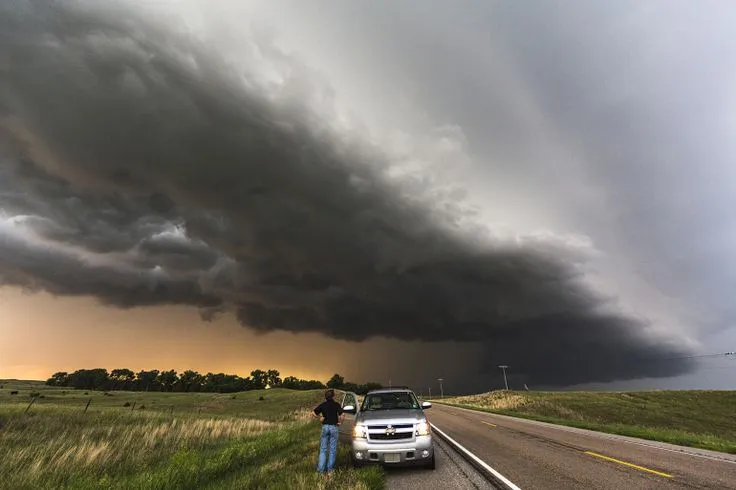
A weather forecast can look convincing in the morning and very different by the afternoon. That does not necessarily mean the original forecast failed. The atmosphere is constantly evolving, and new observations can change which areas appear most favorable for thunderstorms. For travelers interested in Kansas storm chasing tours 2027, seeing these changes unfold can become one of the most interesting parts of the journey.
Unlike checking a simple forecast before leaving home, storm chasing gives travelers a chance to follow weather decisions throughout the day. They can see how an initial target is selected, why confidence rises or falls, and how actual cloud development compares with earlier expectations.
Morning Forecasts Provide a Starting Point
A chase day often begins by examining the broader weather pattern. The aim is to identify areas where ingredients supportive of thunderstorms may come together later. These ingredients do not guarantee a particular result. They simply help narrow a large geographic area into more practical targets.
For travelers, this morning stage provides useful context. A location that initially seems like an ordinary town on a map suddenly has significance because of the atmospheric conditions expected around it.
Observations Add New Information
Forecast models are only one part of understanding the day’s weather. As the morning progresses, real-world observations begin showing how conditions are actually developing. Cloud cover may persist longer than expected. Temperatures can change, moisture may vary between locations, and winds can evolve. Each observation adds another piece to the day’s weather picture.
This explains why a target selected early in the morning is not automatically followed without question for the rest of the day.
Clouds Can Alter Expectations
Clouds are particularly interesting because they can both reveal and influence atmospheric conditions. An area expected to receive substantial sunshine may remain cloudy, while another region clears earlier.
Travelers can sometimes see these differences simply by looking through the vehicle window. A gradual transition from widespread cloud cover to brighter skies may become meaningful when combined with forecast information.
Observing these changes helps connect what appears on weather data with what is happening outside.
A Target Can Shift Before Storms Form
Someone researching tornado chasing 2027 should not expect the first destination discussed each morning to remain unchanged. If newer information favors another area, repositioning may make sense before thunderstorms begin.
Several developments can influence a target adjustment:
-
Changes in cloud cover
-
New surface observations
-
Earlier or later storm development
-
Shifting weather boundaries
-
Updated expectations for storm organization
-
Conditions becoming more favorable elsewhere
These changes demonstrate why flexibility is fundamental to weather-led travel.
Forecast Confidence Is Not the Same as Certainty
Weather forecasts describe possibilities rather than guaranteed outcomes. Even when several ingredients appear favorable, thunderstorms may develop differently than expected. This distinction is especially important with tornadoes. Conditions can support severe thunderstorms without producing a tornado, and no responsible chase experience can promise that one will occur.
Understanding probability helps travelers appreciate forecasting without expecting it to function like a fixed event schedule.
The First Storms Provide Valuable Clues
Once thunderstorms begin developing, attention shifts from what might happen to what is actually happening. Some early storms may struggle to organize. Others can strengthen more quickly or form in locations slightly different from the original forecast. Watching these differences can influence later positioning decisions.
For guests, this stage is particularly rewarding because the morning’s ideas can finally be compared with visible storm development.
Changes Do Not Make the Day Unsuccessful
A major target adjustment might sound disappointing to someone accustomed to fixed itineraries. During storm chasing, it can actually be one of the day’s most interesting developments. Changing plans shows that decisions are responding to current conditions rather than following an outdated assumption.
Even if the final weather is less dramatic than hoped, travelers have still observed how forecasts evolve and why atmospheric uncertainty matters.
Keep a Simple Record of Each Forecast
Travelers who enjoy the educational side of chasing may find it useful to make brief notes. There is no need for technical detail. Writing down the morning target, any major route change, and the weather eventually observed can create an interesting record over several days.
Later, those notes make it easier to remember why one chase involved a major relocation while another stayed relatively close to the original target.
Every Forecast Adds to the Experience
After several chase days, travelers may begin recognizing patterns in the daily routine without becoming weather experts. They understand why the morning forecast matters, why new information is monitored, and why plans sometimes change quickly.
That developing awareness adds another layer to the trip. The experience becomes about more than seeing dramatic skies; it also reveals the decision-making that happens before those skies appear.
Conclusion
Forecast changes are not interruptions to storm chasing. They are an essential part of following an atmosphere that never remains completely static. Morning expectations, fresh observations, cloud development, and emerging storms can all influence where a chase eventually leads.
With Storm Chasing Adventure Tours, guests can experience this evolving process firsthand, gaining a clearer appreciation of why adaptability and careful observation matter throughout a weather-driven journey.
